



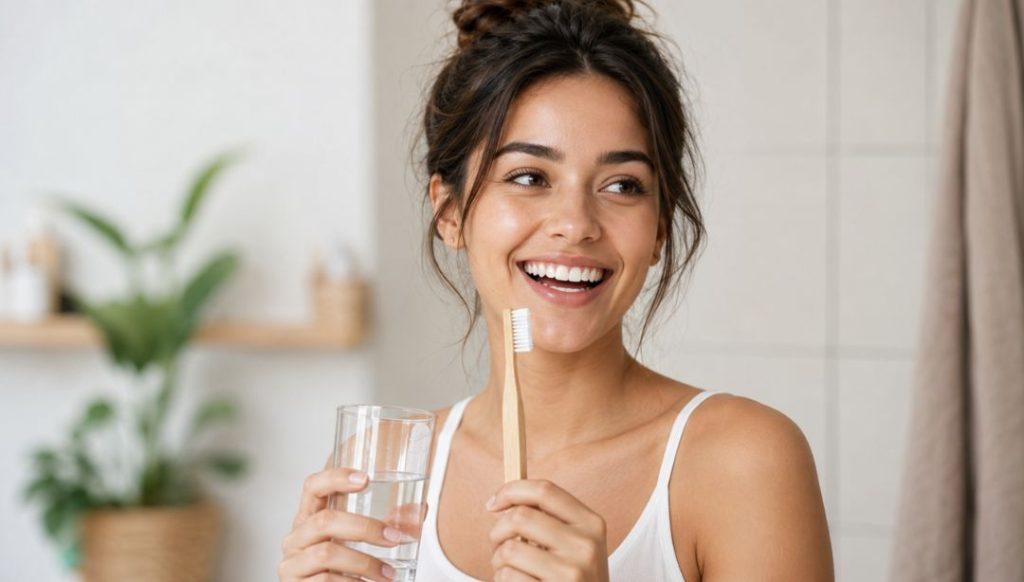
Your smile is often the very first thing people notice about you. A bright, well-aligned grin builds self-assurance, enhances personal interactions, and elevates overall well-being. However, issues like persistent yellow undertones, brassy discoloration, uneven alignment, or minor surface chips hold many people back from smiling freely.
- What Is a BrassSmile Aesthetic Concern?
- 1. Enamel Erosion & Dentin Exposure
- 2. Dietary Staining & Lifestyle Habits
- 3. Orthodontic Hardware & Plaque Accumulation
- Key Solutions to Transform Your BrassSmile With Confidence
- 1. Professional In-Office Teeth Whitening
- 2. Porcelain Veneers and Composite Bonding
- 3. Modern Clear Aligners
- Daily Habits to Maintain a Bright, Confident Smile
- People Also Ask (Google Search Inquiries)
- How can I transform a BrassSmile into a brighter smile with confidence?
- Why do my teeth look yellow or brassy even after brushing?
- Can clear aligners help fix a BrassSmile appearance?
- Frequently Asked Questions (FAQs)
With BrassSmile: Transform Your Smile With Confidence, achieving a radiant, healthy aesthetic is easier than ever. Whether dealing with stubborn discoloration, metallic tones from old dental work, or structural imperfections, understanding modern cosmetic solutions helps you take control of your oral health and aesthetic goals.
What Is a BrassSmile Aesthetic Concern?
The term BrassSmile refers to teeth that exhibit warm, metallic, yellowish, or brassy undertones instead of a clean, bright appearance. Understanding the main causes of this discoloration is essential for finding the right treatment:
1. Enamel Erosion & Dentin Exposure
Tooth enamel is naturally translucent, while the underlying layer—known as dentin—possesses a deeper yellow or brassy shade. As enamel wears away from acidic foods, aggressive brushing, or natural aging, the yellow dentin becomes visible, giving the teeth a dull, brassy cast.
2. Dietary Staining & Lifestyle Habits
Consuming deeply pigmented foods and drinks regularly damages tooth enamel clarity:
- Coffee, Black Tea, & Dark Sodas: Rich in tannins that cling to microscopic enamel ridges.
- Red Wine & Acidic Fruits: Erode enamel surfaces while depositing dark pigments.
- Tobacco Use: Tar and nicotine form stubborn yellow-brown deposits across tooth surfaces.
3. Orthodontic Hardware & Plaque Accumulation
Wearing traditional metal braces or brass-wired orthodontic hardware alters light reflection across your teeth. Without careful cleaning around brackets and wires, plaque builds up, leaving localized yellow or brassy stains after the hardware is removed.
Key Solutions to Transform Your BrassSmile With Confidence
Overcoming brassy discoloration requires modern cosmetic dentistry tailored to your unique goals.
Professional Diagnosis ➔ Targeted Whitening / Restoration ➔ Daily Enamel Protection
1. Professional In-Office Teeth Whitening
Professional whitening treatment performed by a cosmetic dentist uses high-concentration peroxide formulas to break down deep-set stain molecules. It delivers immediate, safe results that far outperform over-the-counter alternatives.
2. Porcelain Veneers and Composite Bonding
When discoloration stems from severe enamel loss or structural wear, topical whitening alone may not be enough:
- Composite Bonding: A tooth-colored resin applied directly to repair chips, fill small gaps, and cover localized brassy tones in a single visit.
- Porcelain Veneers: Custom, ultra-thin ceramic shells attached to the front of your teeth for long-lasting alignment, shape, and shade improvements.
3. Modern Clear Aligners
If misaligned teeth create shadows that accentuate brassy tones, modern orthodontic treatments—such as clear aligners or ceramic braces—straighten your smile discreetly without harsh metallic brackets.
Daily Habits to Maintain a Bright, Confident Smile
Maintaining a healthy, vibrant smile requires a consistent daily hygiene routine:
- Brush Gently with a Soft-Bristled Brush: Avoid harsh scrubbing that strips away protective enamel.
- Use Remineralizing Toothpaste: Formulas containing fluoride or nano-hydroxyapatite strengthen enamel and protect the yellow dentin underneath.
- Rinse After Staining Foods: Drink water immediately after enjoying coffee, tea, or red wine to wash away staining agents before they set.
- Schedule Routine Cleanings: Professional checkups every six months eliminate hardened plaque (tartar) that regular brushing leaves behind.
People Also Ask (Google Search Inquiries)
How can I transform a BrassSmile into a brighter smile with confidence?
You can transform a brassy smile by addressing surface stains and enamel health. Effective methods include professional dental whitening, enamel-strengthening toothpastes, daily flossing, and cosmetic options like porcelain veneers or composite bonding.
Why do my teeth look yellow or brassy even after brushing?
Brushing clears surface debris, but it cannot restore worn enamel or change the color of the underlying dentin layer. When enamel thins due to age or acidic drinks, the yellow dentin shines through, requiring professional whitening or bonding treatments to correct.
Can clear aligners help fix a BrassSmile appearance?
Yes. Straightening crowded or overlapping teeth removes dark shadows and makes oral hygiene easier, preventing plaque accumulation that causes brassy stains around difficult-to-reach areas.
Frequently Asked Questions (FAQs)
1. How long do professional whitening results last?
Professional teeth whitening results typically last between 6 months and 2 years, depending on your dietary choices, oral hygiene, and lifestyle habits like smoking.
2. Is teeth whitening safe for thin or sensitive enamel?
Yes, but it should be performed under professional guidance. Dentists adjust gel concentrations and apply desensitizing agents to protect enamel while lifting brassy tones safely.
3. How do I prevent brassy staining while wearing braces?
To avoid discoloration during orthodontic treatment, use interdental brushes, water flossers, and fluoride rinses to clean thoroughly around brackets and wires after every meal.
Read More: Health & Beauty content on Topicade.com